Disclosure: This article contains affiliate links. If you buy through them, I may earn a small commission at no extra cost to you.
Table of Contents
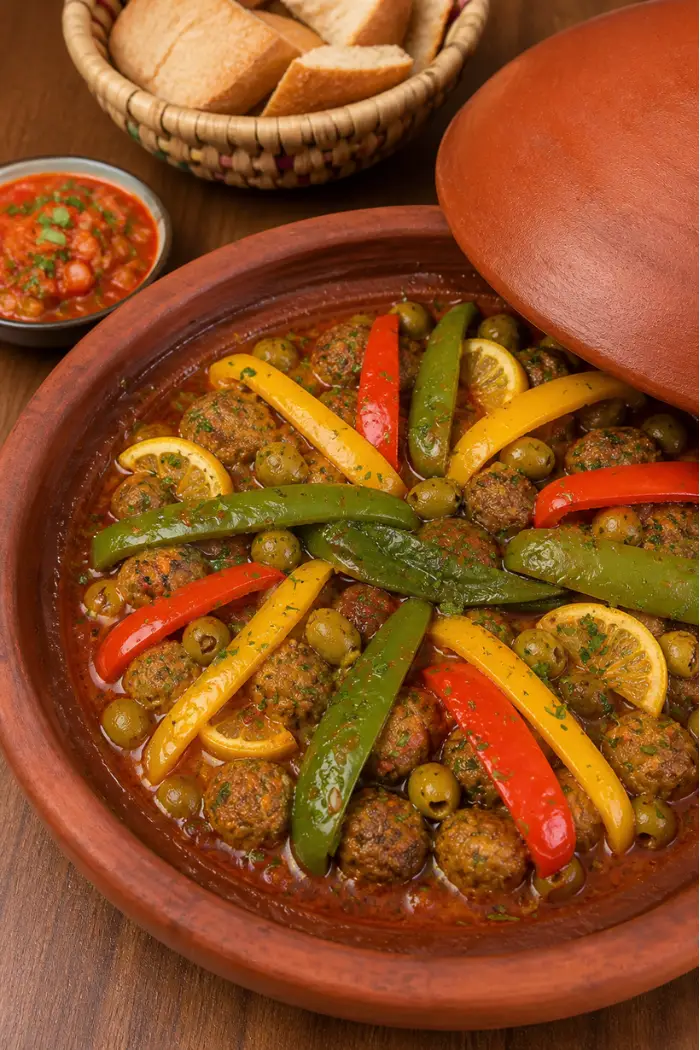
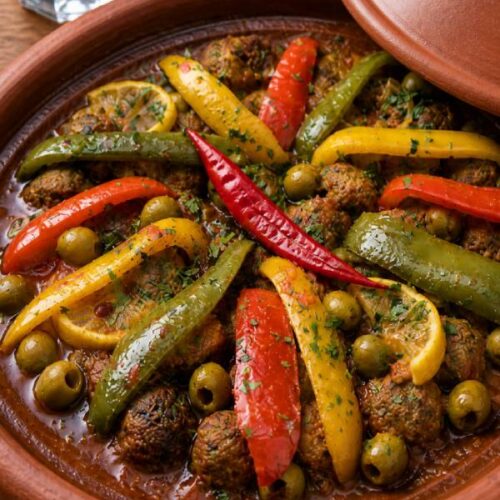
Moroccan fish balls tagine. This dish takes me straight to Safi.
Back when I was still driving my taxi from one city to another, Safi was never just another stop for me. I could not enter that city and leave without going down to the port. The air there had its own smell. Salt. Fish. Nets. The kind of smell that wakes up your hunger before you even see the food.

Safi is a city that knows sardines. You feel that quickly. In the port, in the small places near the sea, in the way people talk about fish as if they have known them all their lives. And me, each time I went there, I already knew where I was going.
There was a small place I loved. Driss and his wife, Khadija. They used to spot my taxi from far away and laugh before I even reached the door. “Our faithful client from Rabat is here again.” I never needed to ask what was cooking. They already knew my plate. Khadija’s sardine ball tagine.
I still remember that first smell when the dish came close. Tomato. Garlic. Sardine. A little pepper. Olive oil rises with the steam. The sauce is quiet and red. The little fish balls sat there as they belonged to it. Soft, but holding. Rich, but not heavy. This was not fancy food. This was port food. Honest food. The kind that stays with a man.
Later, Khadija told me the secret was not a big secret at all. Dry the sardines well after cleaning them, so the mixture stays right in the hand. Season them, then leave them for a little while so the fish can absorb the spice. And when the tagine starts cooking, keep the fire low. Very low. That is how the balls stay tender. That is how the sauce comes together without becoming rough.
That is the way I still make this dish in my mind. Quietly. Patiently. The Safi way.
What are Moroccan Fish Balls Tagine?
Moroccan fish balls tagine means the coast to me. Not in a fancy way. I mean the real coast. Sardines. Red sauce. Bread on the table. The kind of pot that smells of garlic and sea at the same time.
A Traditional Coastal Moroccan Fish Dish
Moroccan fish balls tagine is not the kind of fish dish people imagine at first. It is not battered fish. It is not fried street food. It is a home pot. Quiet. Red sauce underneath. Small fish balls on top. Bread on the side.
In our way of cooking, this kind of dish belongs at the table, not to show. You bring it in still bubbling a little. The smell comes first. Tomato. Garlic. Olive oil. Fish and spice rise together. For the wider spirit of this pot, I wrote more in my guide to authentic Moroccan tagine.
Why Sardines Matter in Safi Cooking
In Safi, sardines make sense without anybody needing to explain too much. The sea is there. The port is there. The fish is part of the day. Safi is one of Morocco’s Atlantic cities, long shaped by port life and maritime identity, and even the official page for Safi presents it through that coastal character.
That is why this dish feels at home there. Sardines are not some fancy fish in this story. They are the people’s fish. Rich in flavor. Not expensive when the market is kind. And when they are cleaned thoroughly and handled gently, they give a tagine with more flavor than many larger fish.
What Makes Moroccan Fish Balls Different
These fish balls are different because they are not made to bounce. They are not made to be chewy. They are made to sit softly in the sauce and still hold their shape when you lift them with bread.
What gives them their own character is simple:
- Fresh sardines, cleaned and dried thoroughly, so the mixture stays tender but not loose.
- Garlic, herbs, and warm spices worked into the fish, not just thrown on top.
- A tomato sauce that supports the fish instead of drowning it.
- Gentle cooking, so the balls stay soft and do not turn rough.
This is the part many people miss. A good fish ball here should feel light in the mouth. Soft, but not weak. Full of flavor, but still humble.
The Role of Chermoula, Tomato Sauce, and Slow Cooking
Chermoula is where life begins. Garlic. Cilantro. Parsley. Cumin. Paprika. A little turmeric. Sometimes a touch of heat. Nothing complicated. But once it touches the fish, the smell changes immediately. The sardine stops smelling raw and starts smelling like lunch.
Then comes the tomato sauce. Not too much. Just enough to carry the spice, hold the olive oil, and give the fish balls somewhere to settle. A little roasted pepper, some olives, maybe lemon near the end. Now the pot starts speaking properly.
This dish does not like a hard fire. A loud fire breaks it. A quiet fire brings it together.
That slow cooking matters for a reason. The fish balls need time to firm up gently. The sauce needs time to mellow. And the spices need a few quiet minutes to stop tasting separate and blend into one. That is when the dish tastes like Safi to me.
Ingredients You Need for Authentic Moroccan Fish Balls Tagine
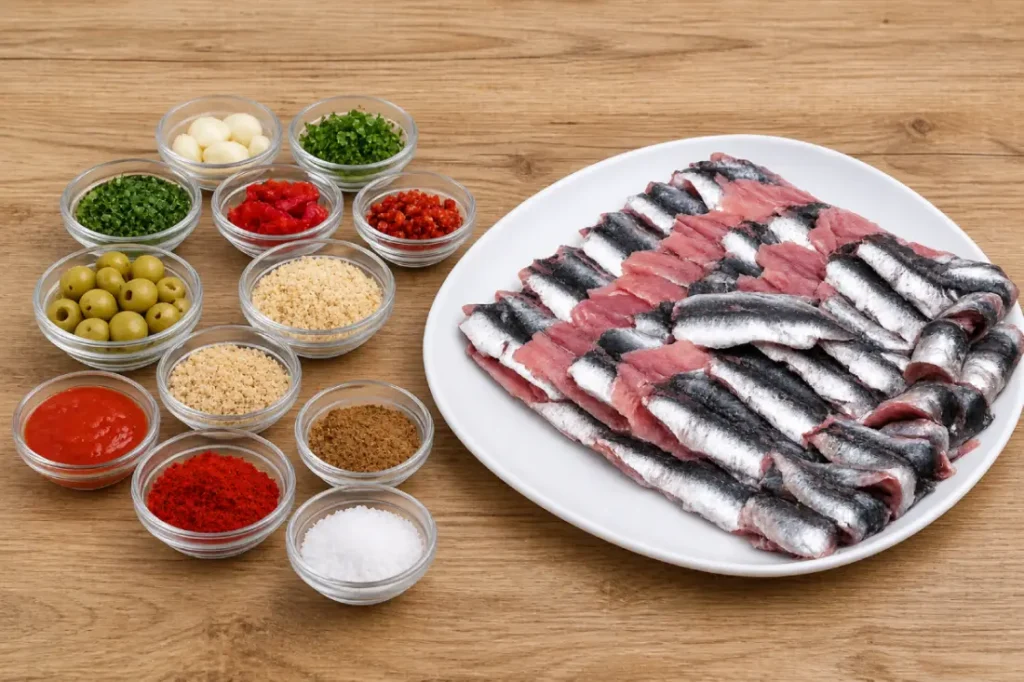
With this dish, the table does not need much. Sardines first. Always. Then tomato, garlic, parsley, cilantro, a few spices, some olives, maybe a roasted pepper, and a little lemon at the end. That is all. When the hand is right, this is more than enough.
How to Choose Fresh Sardines for Tender Fish Balls
I like sardines that still feel alive when you touch them. Firm. Clean smell. Not strong. Not tired. Just that fresh sea smell that tells you lunch will be good.
And after cleaning, I leave them alone. This part matters. If the sardines keep too much water, the mixture goes soft in the wrong way. It sticks to the hand. It refuses to hold. Khadija taught me that without making a big speech out of it. Dry them well. Give them time. Then work.
I have seen the same respect for sardines in other Moroccan-style preparations too, even in this recipe from Seafood Nutrition Partnership. When the fish is good and treated gently, it gives back.
Moroccan Spices That Build Deep Flavor
Here, I do not like too many spices. This is a sardine. It has its own taste. You do not cover it. You walk beside it.
What I put in is simple:
- cumin
- paprika
- turmeric
- a little ginger
- salt
- a little heat, if the house likes it
Then I leave the mixture to rest a little. Just a little. This is important. The fish needs a few minutes with the spice before it sees the fire.
Do not throw spice at sardines like you are hiding them. Let the spice sit with them. Let them get to know each other first.
Why Garlic, Parsley, and Cilantro Matter
Garlic is what gives the fish courage. That is the best way I can say it. Once garlic goes in, the smell changes. The sardine stops feeling shy.
Then the herbs. Parsley and cilantro. In our kitchen, these two belong together. One softens. One lifts. Together, they give the fish mixture that fresh smell you notice before the pot even starts bubbling.
You see this same hand in other fish dishes too, especially this Moroccan fish tagine. Not the same dish. But the same kitchen sense.
Olives, Roasted Pepper, and Lemon for the Final Touch
These things come later. They are not there to make noise. They are there to finish the pot properly.
The olives bring that deep salty note. The roasted pepper brings softness. Lemon wakes everything up at the end. Not in a sharp way. Just enough to lift the tomato and lighten the sardine a little.
This is the kind of finishing I love:
- olives for depth
- roasted pepper for sweetness
- lemon for brightness
- a last little drop of olive oil for smell
That is the ingredient list. Small. Honest. Coastal. Nothing extra. Nothing pretending to be important. But once it all meets in the tagine, you understand why some meals stay in the memory.
Disclosure: This article contains affiliate links. If you buy through them, I may earn a small commission at no extra cost to you.
A Few Tools That Help
I do not believe a good Moroccan dish needs a kitchen full of gadgets. But a few simple tools do make this Moroccan fish balls tagine easier, especially if this is your first time making it.
A clay tagine is worth having if you want the dish to cook slowly and come to the table the proper way. It holds the heat gently and gives the pot that quiet finish this kind of recipe loves. Shop the clay tagine
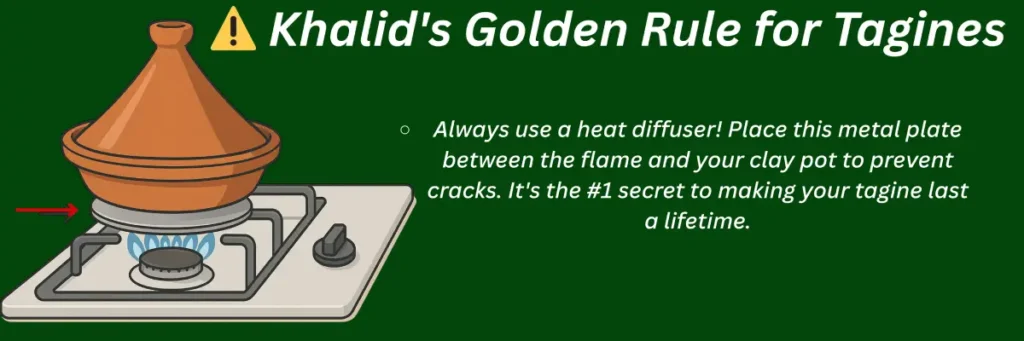
A heat diffuser helps protect the tagine and keeps the fire gentle underneath. This dish wants calm heat, not a hard flame, and a traditional tagine on direct heat should be used with a diffuser plate. Shop the heat diffuser plate
A thin fish spatula helps lift the fish balls out after browning without breaking them. They are delicate once they touch the oil, so a thin edge helps a lot. Shop the fish spatula stainless steel
A small food processor can help if you want a quicker, more even sardine mixture for the fish balls. It is not the old way, but in a busy kitchen it does the job well. Shop the small food processor 3 cup
A few small prep bowls are useful here too, because olives, herbs, lemon, and spices come in at different moments. They help keep the hand calm and the cooking organized. Shop the glass prep bowls set
Watch How to Make Moroccan Fish Balls Tagine
If you want to see the rhythm of this dish before you start, the short video below shows the main steps, from the sardines and shaping to the sauce, olives, peppers, and the final gentle simmer.
How to Make Moroccan Fish Balls Tagine Step by Step
This is the part I love most. The quiet part. The part where the sardines stop being fish from the market and start becoming lunch. No big tricks here. Just a few careful steps, and a calm hand.
If this is your first time cooking in this style, my guide to authentic Moroccan tagine
helps with the rhythm of the pot and the gentle heat this dish likes.
How to Clean and Dry the Sardines Properly
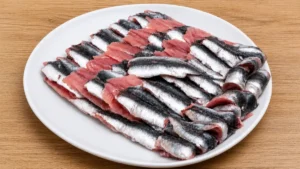
First, clean the sardines well. Take your time with this. Remove the bones. Remove the rough parts. Wash them, yes, but do not leave them swimming in water after that. That is where many people lose the dish before it even begins.
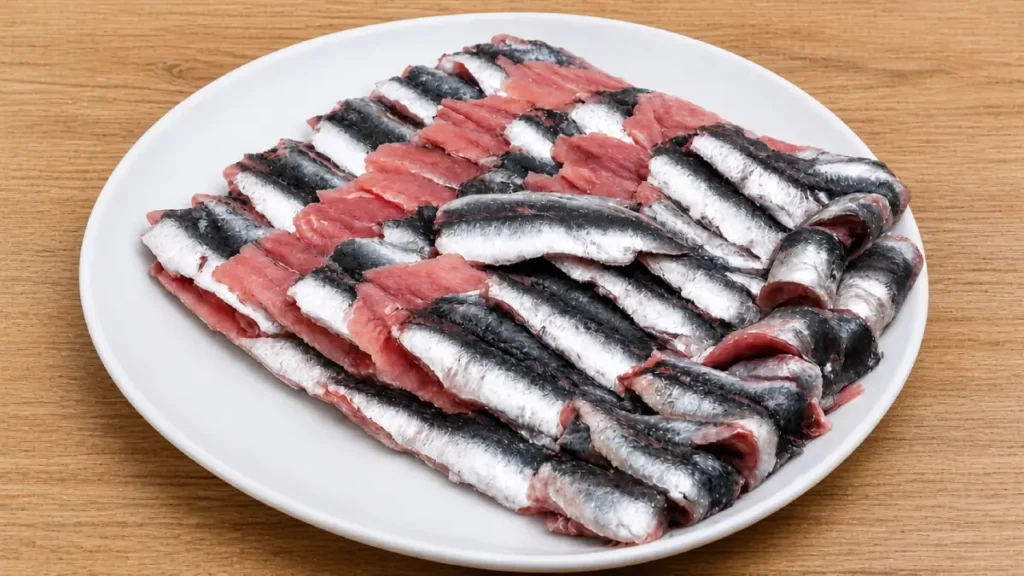
Once they are clean, let them drain properly. I like to leave them in the fridge for a while so they dry from that extra water. This matters. Wet sardines make a weak mixture. They stick to the fingers. They refuse to hold their shape. Dry sardines behave better. They listen.
What I look for is simple:
- No bones left behind
- No extra water is sitting in the fish
- Flesh that feels firm in the hand
- A clean sea smell, not a harsh one
If the sardine is still carrying too much water, do not blame the recipe later. The problem started before the spice.
How to Season the Fish Mixture and Let It Rest
Now the fish can take its flavor. Garlic goes in. Parsley. Cilantro. Cumin. Paprika. A little turmeric. A little ginger. Salt. Maybe a touch of heat if your house likes it. Then a little oil to help everything come together.
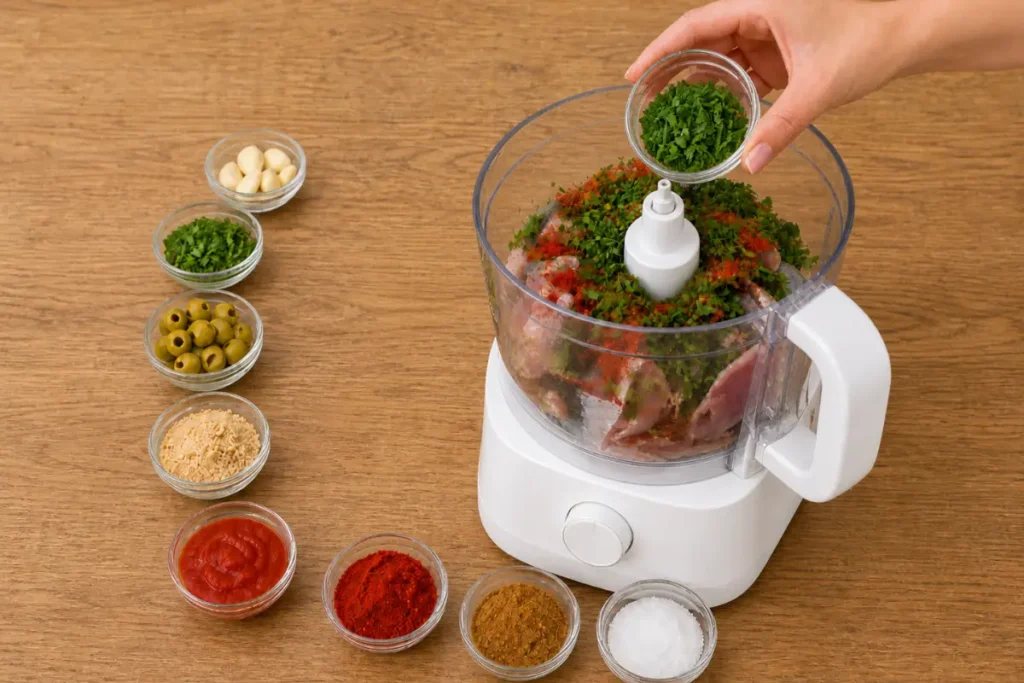
At this stage, I do not rush to shape the balls. No. I mix it, then I leave it alone for a few minutes. Let the sardine sit with the spice. Let the herbs wake up. Let the garlic soften into the fish. Fifteen minutes is enough to completely change the smell.
This is the moment when the mixture starts to feel right. Not loose. Not dry. Just ready. When you touch it, it should feel like it wants to hold together.
How to Shape and Brown the Fish Balls
I put a little oil on my hands. Only a little. Then I shape the fish into small balls. Not too big. This is not a heavy meat dish. These should stay small enough to cook gently and drink a little of the sauce later.
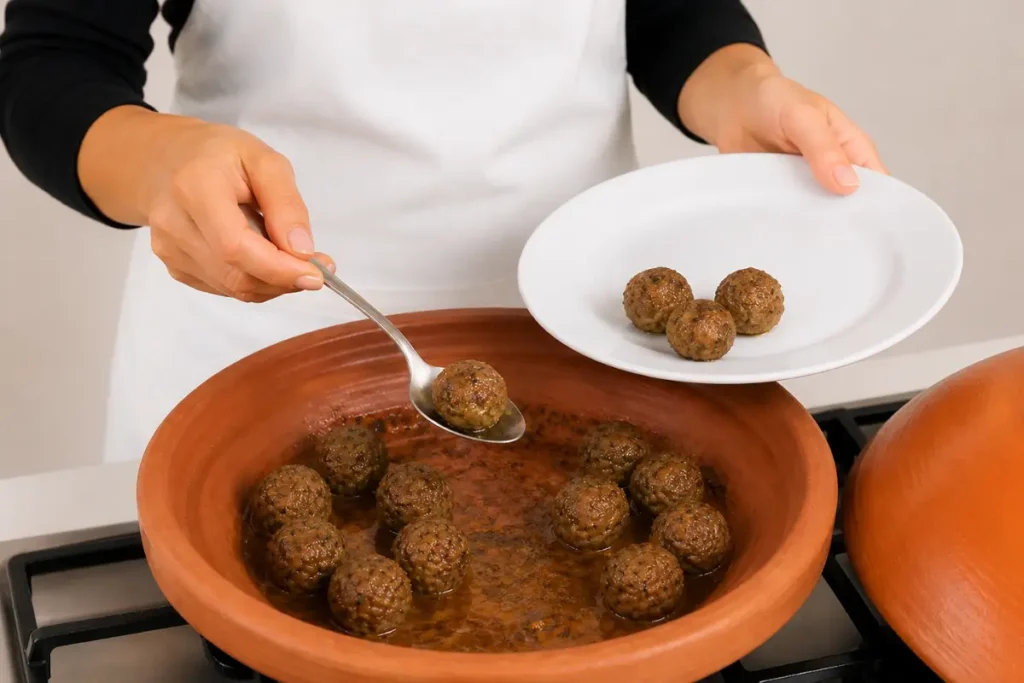
Then I brown them. Just a light browning. I do not cook them hard. I only want them to catch themselves a little from the outside, so they do not break when they go into the tomato sauce. That small step gives the whole pot confidence.
When I do this part, I watch for three things:
- The oil should be hot, but not angry
- The fish balls should be lightly colored on all sides
- They should still feel tender inside, not tight
How to Simmer the Tagine on Low Heat
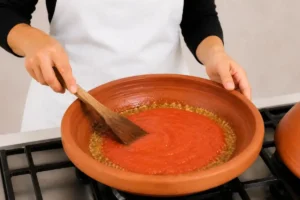
Now comes the tagine itself. Oil first. Then garlic, tomato, tomato paste if you use it, and the rest of the spices. Let that cook a little before anything else. Tomatoes need a few minutes to lose their raw taste. You will smell the difference. First sharp. Then rounder. Softer. Warmer.
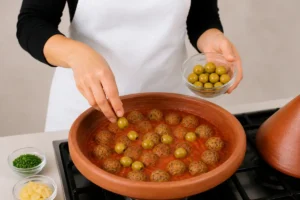
After that, add the roasted pepper, if using. Gently add the fish balls to the sauce. Then olives. Sweet pepper strips. Lemon near the end. Cover the pot and lower the fire. Very low now. This dish does not want noise.
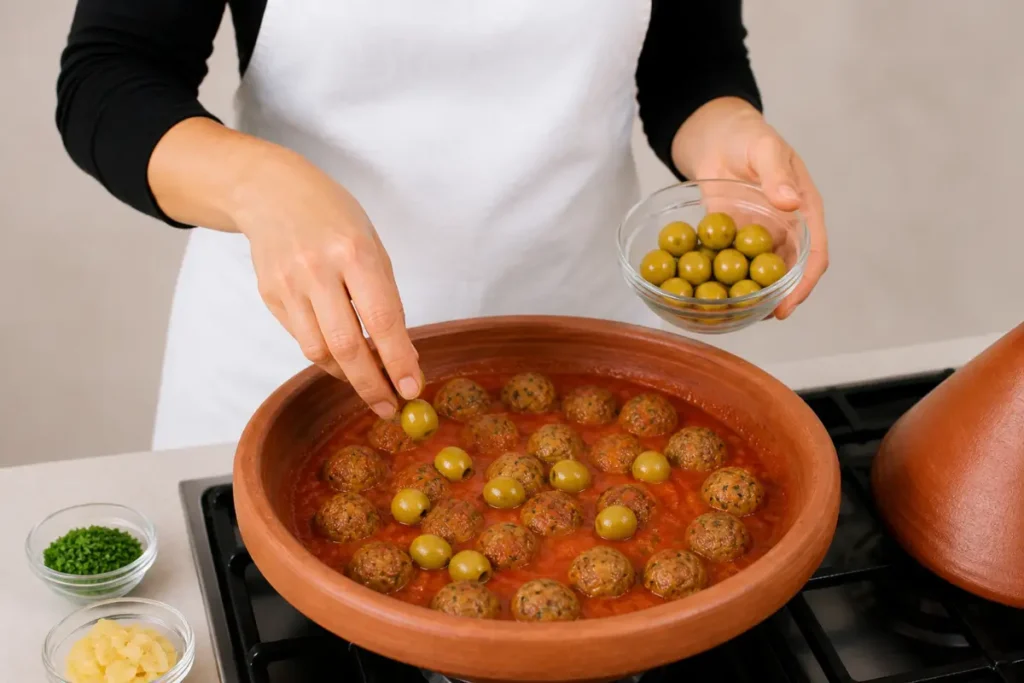
I do not trust a hard-boiled fish. Never. A slow simmer keeps the balls tender and gives the sauce time to settle around them. Public health guidance also reminds people that fish is a valuable part of the diet, and gentle, careful handling from kitchen to table matters just as much as flavor, as noted in Quebec’s guidance on fish consumption and health.
Low fire. That is where the dish becomes itself.
When it is ready, you can see it before you taste it. The sauce looks calmer. The oil sits nicely on top. The fish balls hold, but they look soft. Then you bring bread close. And that is enough.
Tips, Serving Ideas, and Storage
This is one of those dishes that asks for calm more than strength. Nothing in it is difficult. But it can slip away from you if you rush, stir too much, or forget that sardines are softer than meat. This pot likes a quiet hand.
How to Keep Fish Balls from Falling Apart
The first protection starts before the pot. Dry sardines. Really dry. If they still carry too much water, the mixture turns weak in the hand, and the fish balls start giving you trouble from the beginning.
Then comes the second thing. Do not throw them straight into the sauce while they are still too soft. Give them a light browning first. Not to cook them hard. Just enough to help them hold themselves.
A few things help a lot here:
- Dry the cleaned sardines well before grinding.
- Let the seasoned mixture rest a little before shaping.
- Lightly oil your hands when forming the balls.
- Brown them gently before adding them to the sauce.
- Once they are in the pot, move them with care.
Fish balls do not need force. They need a little help at the start, then a little peace.
What to Serve with Moroccan Fish Balls Tagine
For me, the first thing is bread. Always bread. This is not the kind of sauce you leave behind. You tear a piece, dip low, catch a fish ball, and that is the real way to understand the dish.
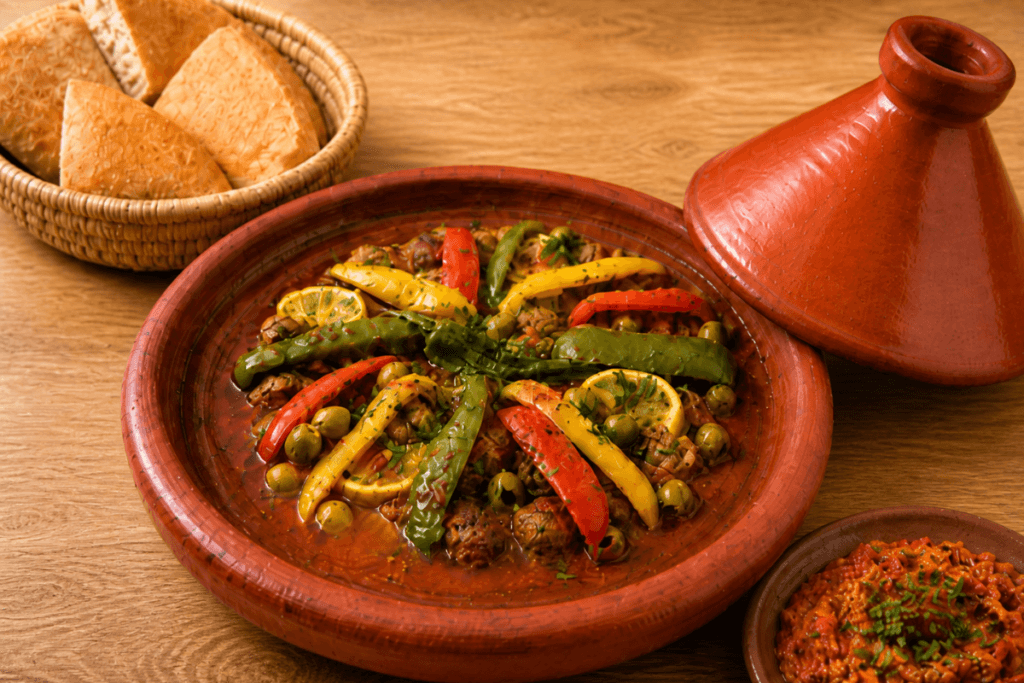
On my table, I like to serve it with:
- Warm Moroccan bread
- A simple tomato salad
- Roasted peppers
- Maybe some fried potatoes if people are hungry
Good bread matters so much here. I already wrote about it in A Taxi Driver’s Secret to Truly Amazing Moroccan Bread, because some dishes are simply not complete without it.
How to Store and Reheat Leftovers
When the meal is over, I do not leave the pot sitting there for half the day. I let it calm down a little, then I put the leftovers away while they still feel cared for. Fish asks for that. Tomorrow’s lunch begins with today’s attention.
I keep it simple:
- Let the tagine cool a little, but not for too long.
- Store it covered in the fridge.
- Reheat slowly, over low heat.
- Stir as little as possible so the fish balls stay whole.
When it comes to storing fish leftovers safely, I would rather trust the USDA’s Leftovers and Food Safety guidance than guess my way through it.
Leftovers are good only when they were treated well the first time.
Common Mistakes to Avoid
Most mistakes here come from being in a hurry. People think fish cooks fast, so they stop paying attention. But fast-cooking food still needs care. Maybe more care.
These are the mistakes I see most often:
- Leaving too much water in the sardines.
- Skipping the resting time after seasoning.
- Making the fish balls too big.
- Browning them too hard.
- Letting the sauce boil too fiercely.
- Stirring too much once the fish balls are in the pot.
- Adding lemon too early and losing its fresh lift.
This dish is gentle. That is the whole secret. If you treat it like a rough pot, it closes up on you. If you treat it calmly, it opens. The sauce settles. The fish stays soft. And the whole tagine comes to the table the way it should.
FAQs About Moroccan Fish Balls Tagine
Can I use canned sardines instead of fresh sardines?
You can. But I will speak honestly. Fresh sardines give a better tagine. The taste is cleaner. The texture is better. The fish balls hold together more naturally.
Canned sardines already carry oil, salt, and a softer texture. So if that is what you have, drain them very well and work gently. Do not expect the same result as fresh. It can still feed you. But it will not give you that same Safi feeling.
Can I make Moroccan fish balls tagine without a tagine pot?
Yes. Of course. Many people think the clay pot is the whole secret. It is not. The hand matters more. The fire matters more.
A tagine pot gives beauty. It gives that slow, quiet cooking I love. But a wide pan or a shallow heavy pot can still do the job well. What matters is this:
Keep the heat low
Do not drown the fish in too much sauce
Do not stir too much once the fish balls go in
A real Moroccan dish does not depend only on the pot. It depends on how you treat what is inside it.
Why do my fish balls break in the sauce?
Most of the time, it starts before the sauce. The sardines were too wet. Or the mixture did not rest. Or the balls were too big. Sometimes people skip the light browning and then ask the sauce to do too much work.
I watch these things carefully:
Dry the sardines well after cleaning
Let the seasoned mixture rest a little
Shape the balls small, not heavy
Brown them lightly before adding them
Simmer gently, never with a wild boil
Fish is delicate. Sardines even more. This dish needs a calm hand from the beginning.
Can I make this recipe ahead of time?
Yes. You can make it ahead, and it can even taste better after a little rest. The sauce settles. The spice sits deeper. The whole pot feels more together.
But when you warm it again, be kind to it. Low heat. No rough stirring. Just enough to bring it back. These fish balls are tender. They are not asking for a second battle.
Make it on a quiet day.
Keep the fire low.
Bring bread. The rest will follow.
Moroccan Fish Balls Tagine

Equipment
- 1 Tagine or wide skillet with lid
- 1 Sharp knife
- 1 Cutting board
- 1 Food processor, meat grinder, or hand grinder
- 1 Mixing bowl
- 1 Spoon
- 1 Small skillet for browning the fish balls
Ingredients
For the fish balls
- 2 kg fresh sardines cleaned, deboned, and drained very well
- 3 garlic cloves
- 1 1/2 teaspoons salt divided
- 1 teaspoon ground ginger divided
- 1 teaspoon ground cumin divided
- 1 teaspoon paprika divided
- 1 teaspoon ground turmeric divided
- 1 teaspoon hot chili powder or black pepper divided, optional
- 2 tablespoons olive oil or vegetable oil
- 3 tablespoons finely chopped parsley and cilantro divided
For the sauce
- 1/4 cup oil
- 3 garlic cloves crushed
- 2 large tomatoes blended or finely grated
- 1 tablespoon tomato paste mixed with a little water
- 1 roasted pepper peeled and sliced
- 1/2 cup pitted green or purple olives
- 1 to 2 sweet peppers sliced
- 1 hot chili pepper optional
- Lemon slices for garnish
- 1 teaspoon extra virgin olive oil for finishing
Instructions
Clean and dry the sardines
- Clean the sardines very well and remove all bones and any tough center line.
- Drain the sardines thoroughly.

- Refrigerate them for about 1 hour so they lose excess water, or pat them very dry if you are in a hurry.
Make the fish mixture
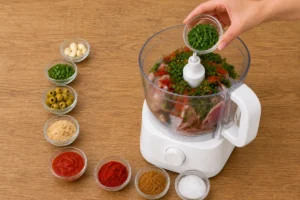
- Add the sardines to a food processor or grinder.
- Add 3 garlic cloves, half of the salt, half of the ginger, half of the cumin, half of the paprika, half of the turmeric, half of the chili powder or black pepper if using, 2 tablespoons oil, and 2 tablespoons of the chopped parsley and cilantro.

- Grind until the mixture is fine and evenly seasoned.
- Let the mixture rest for 15 minutes so the sardines absorb the spices.
Shape and brown the fish balls
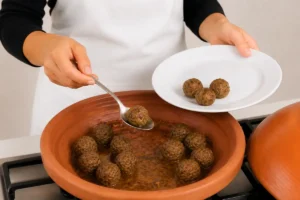
- Lightly oil your hands.
- Shape the mixture into small fish balls of equal size.
- Heat 1/4 cup oil in a skillet or tagine base over medium to medium-high heat.
- Brown the fish balls lightly on all sides, then remove and set aside.
Make the sauce
- In the same tagine or pan, add the crushed garlic, blended tomatoes, and tomato paste.
- Add the remaining salt, ginger, cumin, paprika, turmeric, and the remaining chili powder or black pepper if using.
- Cook for 5 to 7 minutes, stirring from time to time, until the tomatoes lose their raw taste and the oil begins to bubble.
Finish the tagine
- Add the roasted pepper slices.
- Return the fish balls to the sauce gently.
- Add the olives, sweet pepper slices, hot chili pepper if using, and lemon slices.
- Cover and cook over low heat for about 15 minutes.
- Finish with the remaining chopped parsley and cilantro and a small drizzle of extra virgin olive oil.
- Serve hot with Moroccan bread, tomato salad, roasted peppers, or fries.
Notes
- Dry sardines matter here. If they hold too much water, the fish balls will be soft in the wrong way and may break.
- Resting the fish mixture helps the sardines absorb the spices better.
- Brown the fish balls lightly, not heavily. They should stay tender.
- Keep the final simmer gentle. A strong boil can break the fish balls and roughen the sauce.
- You can cook this in a clay tagine or in a wide pan with a lid.
🥄 Nutritional Information (Per Serving)
| Nutrient | Approximate Amount |
|---|---|
| Calories | 260–320 kca |
| Protein | 23–28 g |
| Fat | 16–22 g |
| – Saturated Fat | 3.5 g |
| Carbohydrates | 3–6 g |
| Omega-3 Fatty Acids | Moderate |
The heart of this dish is sardines, and that already tells you a lot. Sardines are known for protein, omega-3 fats, and useful nutrients like calcium, phosphorus, selenium, vitamin D, and vitamin B12, especially when the bones are included.
Important note: This is still an estimate, not a lab-tested analysis, because the final nutrition changes with the real amount of sardine flesh left after cleaning, the amount of oil absorbed during browning, and how much sauce, olives, and peppers end up in each serving.
Come Closer to the Moroccan Kitchen
If these quiet Moroccan dishes speak to you, come a little closer. I send simple recipes, old kitchen habits, small cooking secrets, and the kind of food memories that stay with a person. Nothing noisy. Just honest Moroccan cooking, passed from one home to another.
You will find things like:
- traditional tagines made the old way
- seasonal Moroccan recipes from real kitchens
- small tips that make a humble dish taste right
- stories from the road, the market, and the family tableGood cooking does not begin with a trick. It begins with attention.
Join the newsletter, and I will bring these recipes to you the same way I would pass them across a kitchen table. Warm. Simple. And meant to be cooked.
Stay Close to the Pot
If you enjoy this kind of quiet Moroccan cooking, come find me on social media too. That is where I share the small things that do not always fit inside an article. A pot on the fire. A market memory. A handful of herbs on the board. The kind of kitchen moments that pass quickly, but stay with you.
You will often see:
- humble Moroccan dishes from everyday life
- little cooking moments from the stove and the table
- old habits, small tips, and simple ingredients
- warm food memories from roads, markets, and family kitchensSometimes a whole recipe begins with one smell, one pan, one quiet little memory.
Follow along there, and the kitchen stays close, even on ordinary days.
Clarifying Essential Terms and Ingredients
Some words in a Moroccan kitchen do not need much explanation for us. But for someone meeting this dish for the first time, it helps to slow down a little and name things properly. A few of these words carry more than one meaning, and a few ingredients do more work than people expect.
What “tagine” means
A tagine is the pot, yes, but it is also the dish cooked inside it. The word is used for both. The pot has a shallow base and a tall lid, and that shape helps moisture rise, settle, and fall back into the food while it cooks slowly.
What chermoula is
Chermoula is one of the old flavor bases of Moroccan coastal cooking. At heart, it is a mixture of fresh herbs, garlic, oil, and warm spices, especially cumin and paprika, and it is used again and again with fish and seafood.
In this recipe, chermoula is not something heavy or complicated. It is simply the moment when the sardines meet garlic, parsley, cilantro, oil, and spice and stop smelling raw.
Chermoula is not there to hide the fish. It is there to wake it up.
Why sardines matter here
This recipe is built on sardines, and that makes sense in Safi. The city has long been tied to the sea, to fishing, and to sardines in particular, and that coastal life still shapes the food people know there.
Sardines also make sense in the kitchen. They are flavorful. They are humble. And when they are cleaned well and dried properly, they give soft fish balls with real character.
The small ingredients that change everything
A dish like this may look simple on paper, but some ingredients carry the whole soul of the pot:
- Garlic: gives the fish and sauce their backbone.
- Parsley and cilantro: bring freshness and that unmistakable Moroccan smell.
- Cumin and paprika: give warmth, color, and depth.
- Tomato: holds the sauce together without making it heavy.
- Roasted pepper, olives, and lemon: finish the dish and give it lift.
These are not extra things. Each one has a place. Each one arrives with a job.
A small word about the peppers
When the recipe calls for roasted pepper, it is not only for color. That pepper brings a sweet, smoky softness that sits beautifully with sardines and tomato. Sweet peppers added later bring freshness to the eye and the pot, while hot pepper is there only if your table likes a little fire.
Why low heat matters so much
This dish is not built for a hard boil. The tagine itself was made for slow simmering, and that slow heat is part of the reason the sauce stays moist and the fish stays tender.
So when you see “low heat” in this recipe, do not treat it like a small detail. It is one of the main ingredients, even if you cannot put it on the table.
Tell Me How It Turned Out in Your Kitchen
If you make this Moroccan fish balls tagine, leave me a little note below. Tell me how it came out in your kitchen. Maybe you made it with sardines from the market. Maybe you added more heat. Maybe you served it with warm bread and a tomato salad, the way I like it.
I always enjoy reading those small kitchen stories. They help other readers too. One person shares a tip. Another remembers a version from home. That is how cooking stays alive.
A recipe is never alone once it reaches another kitchen.
So write to me in the comments. Tell me what you saw, what you smelled, what changed, and what stayed faithful to the pot.